← Back to blog
Understanding Market Volatility and Risk
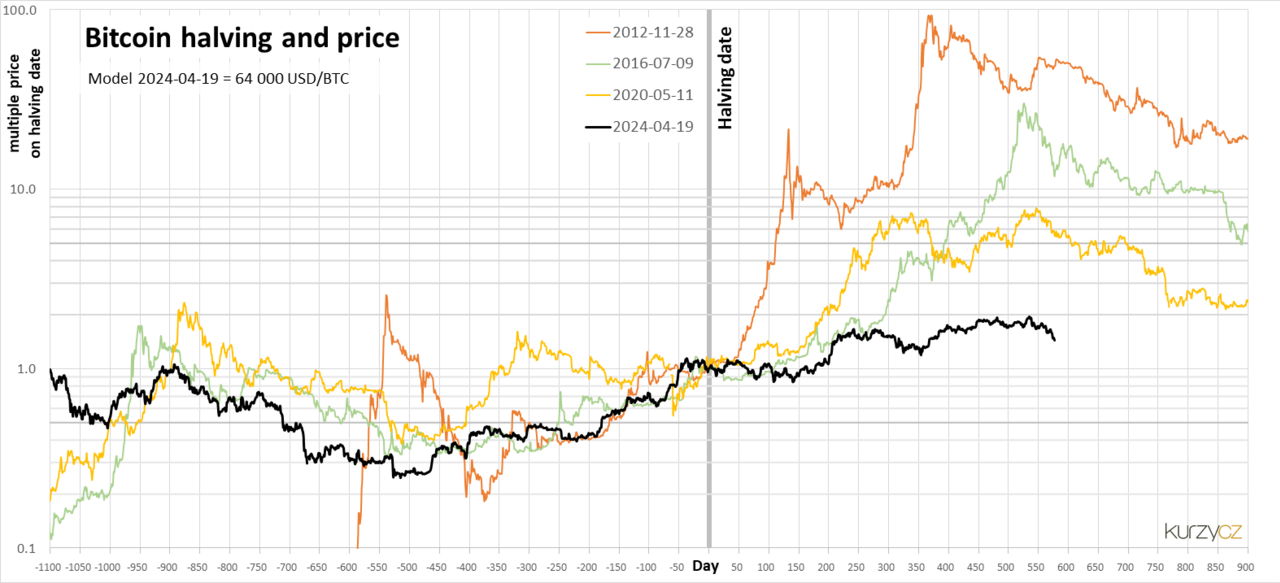
A few practical ways to manage that risk:
1. Position sizing. Decide in advance what share of your portfolio you're comfortable having in a volatile asset, and stick to it rather than adjusting after a big move.
2. Time horizon. A price swing that looks alarming on a one-day chart often looks very different zoomed out to months or years — know which horizon your decision is actually based on.
3. Confidence in your data. Not every price quote is equally reliable. Aggregating multiple sources and checking how recent a quote is (staleness) helps you avoid acting on a stale or single-source number.
4. Never invest more than you can afford to have tied up or lose. This applies to every volatile asset class, not just crypto.
Volatility itself isn't inherently bad — it's the source of both upside and downside — but treating it as a known, manageable variable rather than a surprise is what separates a plan from a guess.