← Back to blog
How Two-Factor Authentication Protects Your Account
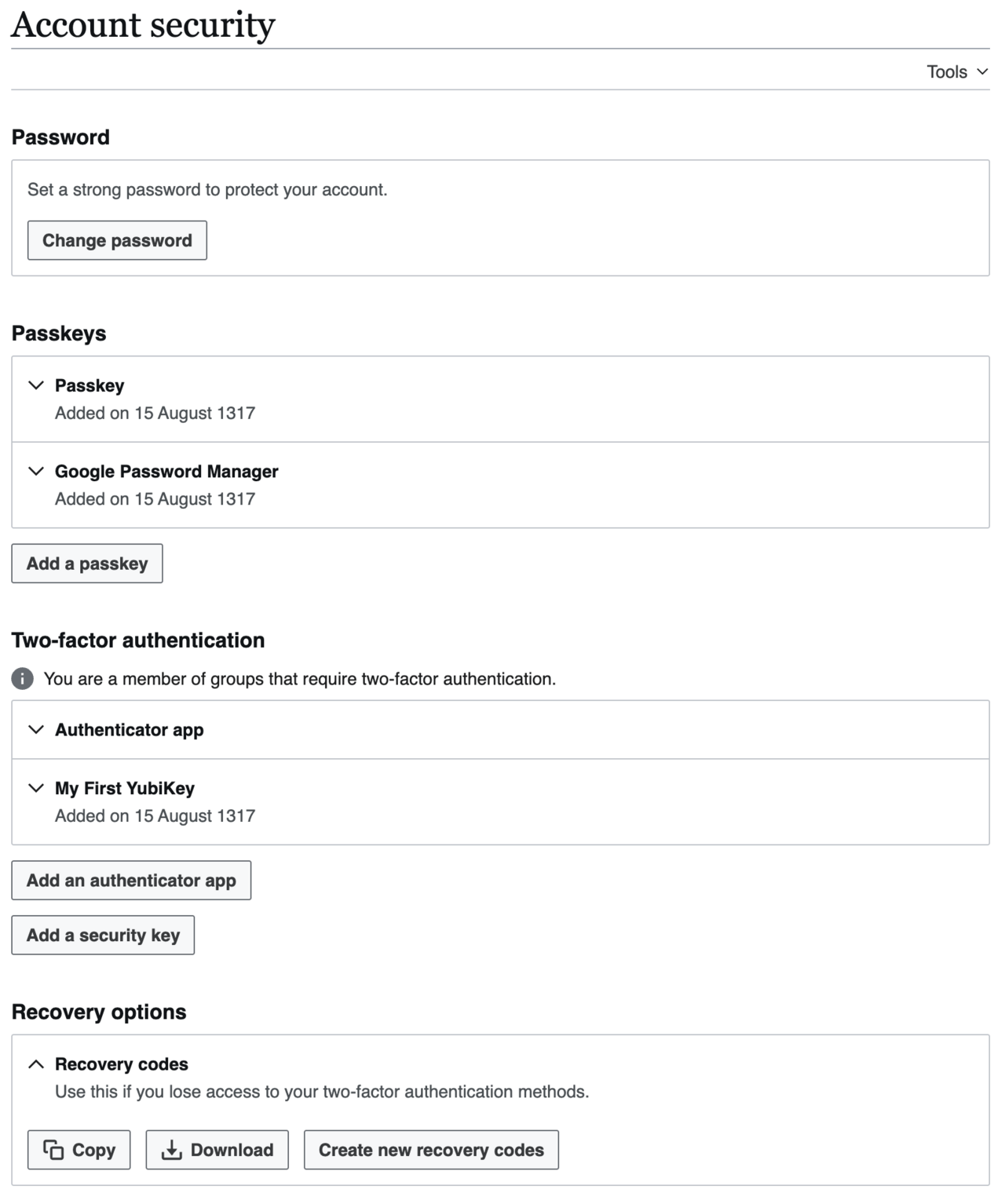
Two common 2FA methods:
- Authenticator apps (TOTP). Generate a new six-digit code every 30 seconds, derived from a secret shared only between your device and the service at setup time. Even if someone has your password, they'd also need your unlocked device to generate the current code.
- Passkeys. A newer, phishing-resistant standard built on public-key cryptography. Your device holds a private key that never leaves it; the service only ever sees a signed challenge, not a shared secret — which means there's no code or password to intercept or trick you into typing on a fake site in the first place.
Why this matters practically: password databases leak, people reuse passwords across services, and phishing pages can capture a typed password convincingly. 2FA breaks the chain — a stolen password by itself stops being sufficient to access the account.
If your account supports both an authenticator app and passkeys, enabling at least one — ideally a passkey, given its resistance to phishing — is one of the single highest-value security steps you can take.