← Back to blog
Hot Wallets vs. Cold Storage: What's the Difference?
Hot wallets are connected to the internet — an exchange account, a browser extension, or a mobile app. They're convenient for frequent trading or spending, because signing a transaction takes seconds. The tradeoff is a larger attack surface: any device or service connected to the internet is a potential target.
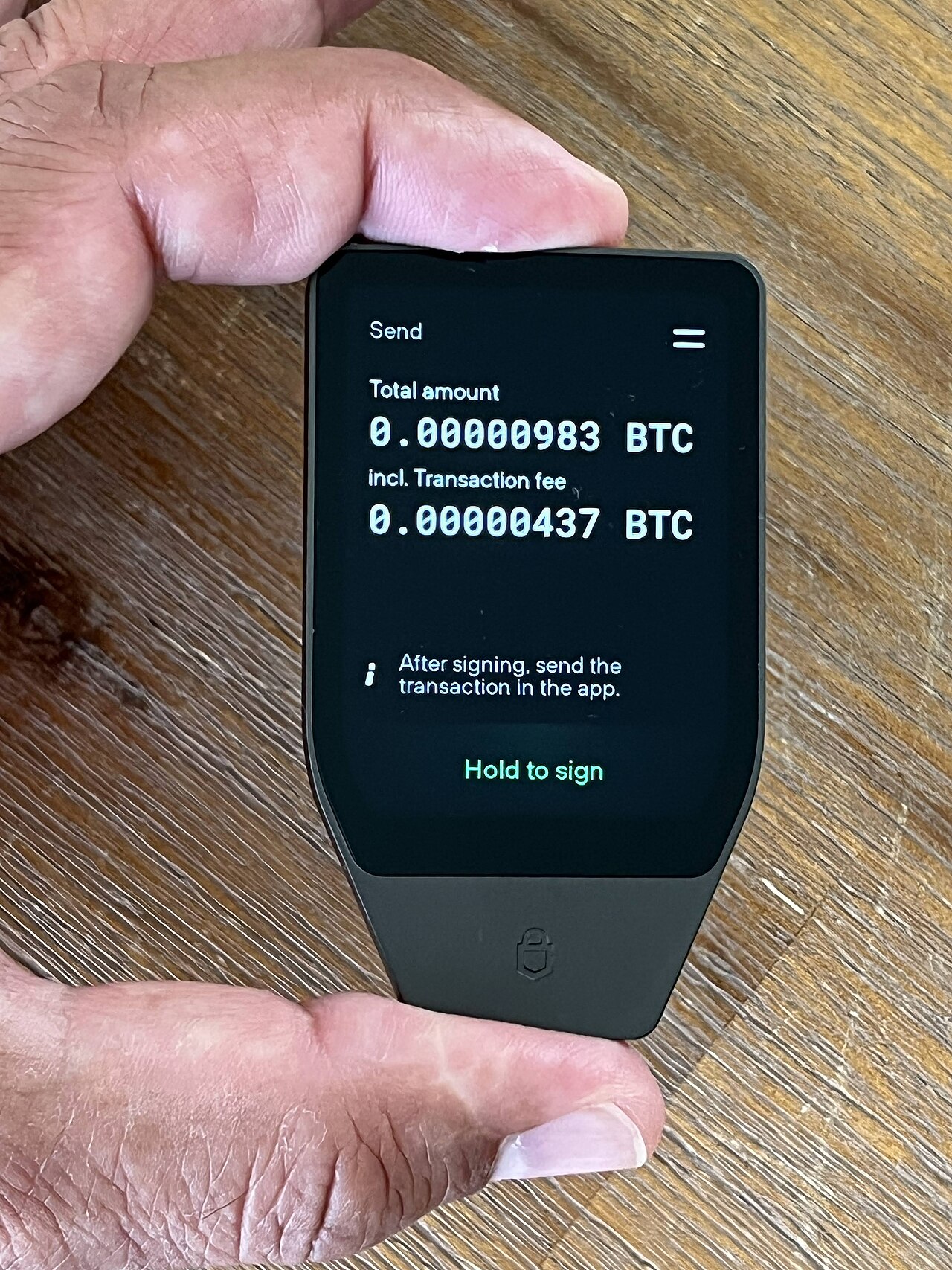
Cold storage keeps private keys entirely offline — a hardware wallet, or even keys generated and stored on a device that never touches the internet. Signing a transaction typically requires physically confirming it on the device itself. This removes most remote-attack vectors, at the cost of convenience: it's not built for rapid trading.
A common approach is to split the difference: keep a smaller, working balance in a hot wallet for active trading, and move larger, long-term holdings to cold storage. Neither option is "safer" in every situation — it depends on how often you need to move funds and how much you're holding.