← Back to blog
Blockchain Basics: How It Actually Works
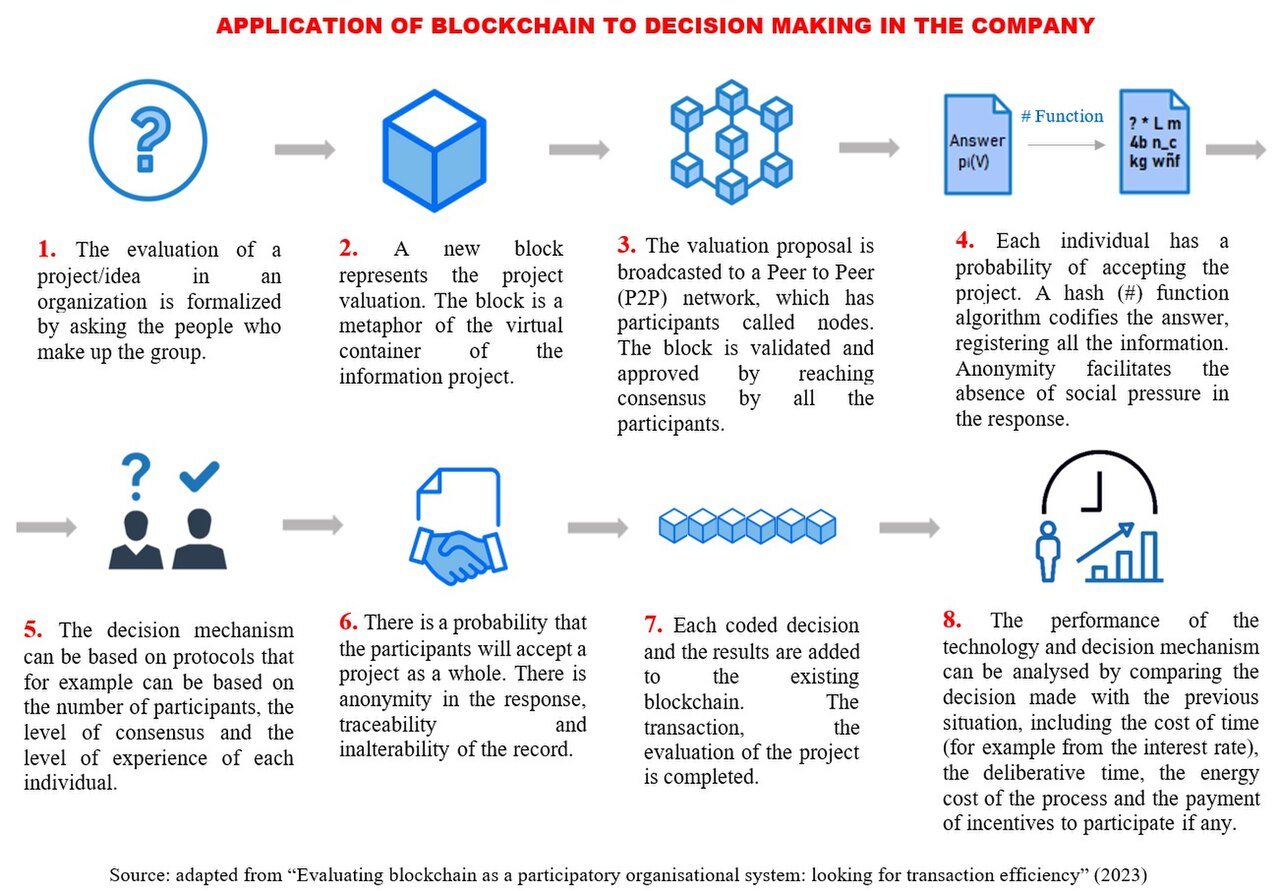
This is what people mean by "trustless": you don't have to trust a single company to keep an honest ledger, because thousands of independent copies of the same ledger are compared constantly, and the network only accepts the version most participants agree on.
A few terms worth knowing:
- Node: a computer running the blockchain's software and holding a copy of the ledger.
- Consensus: the rule the network uses to agree on which new block is valid (proof-of-work, proof-of-stake, and others).
- Wallet: software that holds your private keys, which prove ownership of assets recorded on the chain — the ledger itself never stores your identity, only addresses and balances.
Understanding this foundation makes everything else — wallets, exchanges, fees, confirmations — much easier to reason about, because you can trace each of those concepts back to "how do independent computers agree on one shared history."